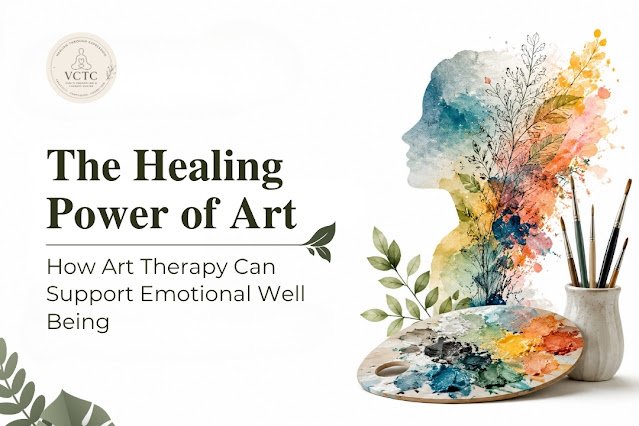
Art has always been a powerful form of human expression. We use colours, images, music, movement, stories, and creativity to communicate emotions that may sometimes be difficult to put into words.
In the context of emotional well-being, this expressive quality of art can become an important part of a therapeutic process.
Art therapy uses creative expression within a professional therapeutic setting to help individuals explore emotions, experiences, thoughts, and personal concerns. It is not about artistic talent or creating a perfect painting. Instead, the focus is on the process of expression, reflection, and understanding.
For some people, speaking openly about emotions can take time. Creative activities can provide another pathway through which feelings can be explored in a comfortable and meaningful way. This can be particularly valuable when emotions feel confusing, overwhelming, or difficult to explain.
How Art Can Support Emotional Expression
Emotions are not always easy to describe. A person may know that they are anxious, overwhelmed, sad, or emotionally exhausted without knowing exactly how to communicate the experience.
Creative expression can sometimes make that process easier.
Drawing, painting, working with colours, creating visual patterns, journaling, or other expressive activities can encourage a person to pause and focus on what they are experiencing. The resulting artwork does not need to have a particular meaning or interpretation. What matters is the individual’s own experience and the conversation that develops around it.
Art can therefore become a starting point for reflection rather than simply an activity.
The Healing Power of Art in Counselling
The relationship between creativity and emotional well-being is increasingly being discussed as people look for more holistic ways to understand themselves.
Art can provide a quiet space for self-expression. It may help individuals slow down, observe their emotions, explore personal experiences, and communicate feelings that may initially feel difficult to verbalise.
For individuals working with an Art Therapist in Nagpur, creative activities can be incorporated into counselling according to their needs, comfort level, and therapeutic goals.
The process remains individual. What feels meaningful to one person may feel completely different to another.
A Customer Testimonial on the Healing Power of Art
The impact of creative and expressive work is often best understood through the experiences and reflections of people who engage with it. One customer shared the following feedback after watching a presentation on the healing power of art:
“A truly beautiful and thought-provoking presentation. This video reminds us of something we often forget—that healing does not always begin with words. Sometimes, emotions that are difficult to express through conversation can find a voice through art, creativity and imagination.
Art has a unique ability to connect with the deepest parts of our mind and emotions. It can provide comfort, encourage self-expression, reduce emotional barriers and create a quiet space for reflection and healing.
What makes this presentation particularly meaningful is the way it brings together creativity, emotions and well-being in such a simple yet powerful manner. It encourages us to look at art not merely as something beautiful to see, but also as a possible medium through which we understand ourselves better.
A very sincere and inspiring effort.
Worth watching, reflecting upon and sharing.
Congratulations to the team in general and Vani in particular for bringing such an important and sensitive subject to us in such an engaging way.
A big hearty kudos to her father & mother too
Shashikant Menon,
Thiruvananthapuram”
This testimonial reflects an important aspect of expressive therapy: creativity can sometimes offer a different language for emotions. It can encourage reflection and create an opportunity to look at personal experiences from a new perspective.
Art Therapy Is Not About Being an Artist
A common misunderstanding about art therapy is that a person needs to be artistic or know how to draw.
That is not the purpose.
Art therapy does not evaluate artistic skill. A simple sketch, a collection of colours, an abstract image, or even a few marks on a page can become part of a therapeutic conversation.
The value comes from the person’s experience of creating and reflecting, not from whether the final artwork looks professionally made.
This can make creative therapy approachable for people who may feel uncomfortable expressing themselves through conversation alone.
How Art Therapy and Counselling Can Work Together
Art therapy can be used alongside counselling to create additional opportunities for emotional exploration.
A counselling session may involve conversation about current concerns, relationships, stress, personal experiences, or emotional patterns. Creative activities can sometimes be introduced when they are appropriate and useful for the individual’s therapeutic process.
For example, a therapist may invite someone to represent an emotion through colours or images, create a visual representation of a personal experience, or use creative journaling to reflect on thoughts and feelings.
The activity itself is not a diagnosis. Its meaning is explored through the individual’s personal context and therapeutic conversation.

Who May Benefit From Art-Based Therapy?
Creative therapeutic approaches may be considered by individuals experiencing a variety of emotional and personal concerns, including:
- Stress and emotional exhaustion
- Anxiety and persistent worry
- Low mood
- Difficulty expressing emotions
- Relationship concerns
- Low self-confidence
- Grief and life transitions
- Emotional confusion
- Personal growth and self-discovery
- Difficulty communicating feelings
Art-based approaches can also be considered for children and adolescents when age-appropriate methods are used.
For families looking for Child and Adolescent Counseling in Nagpur, creative activities can sometimes provide children with an easier way to communicate experiences that they may not yet have the vocabulary to describe.
Creating a Safe Space for Emotional Expression
Effective therapy depends on more than a particular technique. The therapeutic relationship, sense of safety, trust, confidentiality, and individual comfort are all important.
At Vani’s Counseling & Therapy Centre, the approach focuses on creating a calm and supportive environment where individuals can slow down, understand their emotional experiences, and explore meaningful ways forward.
With an approach that combines counselling with expressive and creative methods where appropriate, therapy can recognise that everyone communicates and processes emotions differently.
The goal is not to force expression. It is to provide a space where expression can happen naturally and safely.
Art, Creativity and Emotional Wellness
Creative expression can encourage us to pause in a world that often expects us to keep moving.
When we spend time creating something, we may become more aware of our thoughts, emotions, memories, and reactions. This awareness can become valuable within a broader therapeutic process.
For people seeking Mental Health and Emotional Wellness Counseling in Nagpur, art-based approaches may offer an additional avenue for reflection and self-understanding when they are clinically appropriate.
Art therapy should not be viewed as a replacement for professional mental health care when someone is experiencing significant psychological distress. Instead, it can be one component of an individualised therapeutic approach.
When Words Are Difficult, Expression Can Begin Differently
There are moments when we know something is happening inside us but cannot find the right words.
We may say, “I don’t know what I’m feeling.”
We may change the subject.
We may stay silent.
Or we may simply continue with our daily responsibilities while carrying emotions that have not been expressed.
Creative expression can sometimes provide a gentle starting point.
A colour, image, shape, or creative activity may open a conversation that would otherwise be difficult to begin. With professional guidance, that conversation can gradually lead towards greater emotional awareness and self-understanding.
The Healing Power of Being Seen and Heard
Ultimately, therapy is not only about a technique. It is about creating a space where a person feels heard, respected, and understood.
Art can support that process by giving emotions another form of expression.
Whether someone is exploring anxiety, stress, emotional exhaustion, relationship concerns, personal growth, or simply trying to understand themselves better, creative therapy can offer a meaningful opportunity to slow down and reflect.
At Vani’s Counseling & Therapy Centre, the focus remains on meeting each individual with patience, empathy, and an understanding that every person’s emotional journey is different.
Sometimes healing begins with a conversation.
Sometimes it begins with a colour, a line, an image, or a creative moment.
And sometimes, simply finding a safe space to express what we have been carrying is the first step towards understanding ourselves more deeply.

Because art is not only something we create. Sometimes, it becomes a way to understand what we feel.
Contact Vani's Counseling & Therapy Centre
Call: +91 95294 31886
Website: vanijog.com
Address: Vani's Counseling & Therapy Centre, Room 5, 1st Floor, Purva Vidarbha Mahila Parishad, New Ramdaspeth, Nagpur, Maharashtra 440010.